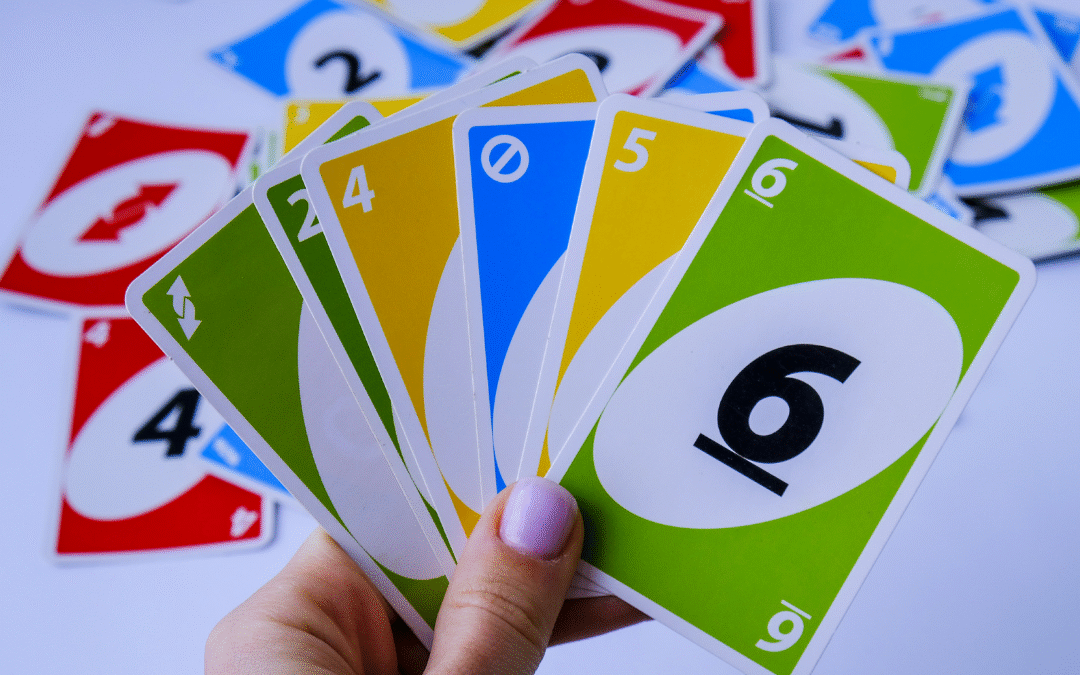
Card games for dementia patients can be a simple, calming way to support connection, reduce loneliness, and spark familiar memories – all while sharing a few minutes of joy together. The best games are easy to learn, flexible for changing abilities, and focused on conversation, laughter, and togetherness.
At Shadowleaf at Estrella Gardens, we see how small, meaningful moments (like a short card game after lunch) can help residents and families feel closer.
If you’re exploring supportive Memory Care or Assisted Living in Las Vegas, call 702-577-2637 to talk with our team or learn what daily life can look like at Shadowleaf.
Why Card Games Help People Living With Dementia
Card games do more than “pass the time.” For many older adults, they can support:
- Connection. Turn-taking and shared focus can feel comforting
- Cognitive engagement. Gentle attention, matching, and simple choices
- Mood support. Familiar routines can reduce anxiety and agitation
- Memory cues. Themes like family, holidays, or hobbies can bring up stories
Many dementia care experts recommend structured, enjoyable activities that match individuals’ ability levels and reduce frustration. For additional guidance, the Alzheimer’s Association shares ideas for meaningful activities and engagement.
What this means for seniors
If a game feels “too hard,” it’s not a failure – it’s a sign to simplify the rules, shorten the session, or switch to a conversation-based deck. The goal is a good feeling, not a perfect score.
Simple, Easy, and Interactive Game Ideas
Below are options that work well as simple games for dementia patients, including choices that can be adapted for different stages.
Easy card games that usually work well
- Memory Match (large-print cards if possible). Match pairs with fewer cards at first
- Color or suit sorting. “Let’s put all the hearts together” (great for later stages)
- High card wins. Each person flips one card – the highest card wins (no math needed)
- Go Fish (simplified). Play with a smaller hand and fewer ranks
These are often the most successful easy card games for dementia patients in Las Vegas, NV, because they’re familiar, quick, and easy to reset if attention fades.
Interactive games that spark conversation
If your loved one enjoys talking more than “playing,” try interactive games for dementia patients that focus on storytelling:
- “Tell me about a favorite holiday.”
- “What was your first job?”
- “What’s a meal you still remember?”
You can use themed “conversation starter” decks or create your own with index cards. Keep the tone light – and it’s okay to repeat questions. Repetition can feel reassuring.
For more dementia-friendly engagement tips, you can also explore guidance from the National Institute on Aging.
How to Choose the Right Card Game by Dementia Stage
Choosing the right game is mostly about matching the game to today’s ability (not last year’s).
Early stage
- Try matching, simplified Go Fish, or Uno-style play
- Keep rules short: “One rule at a time.”
- Aim for 10-20 minutes
Middle stage
- Shift to high-card wins, sorting, or very simple matching
- Use visual cues and fewer cards
- Play side-by-side rather than “across the table” if needed
Later stage
- Focus on sensory and emotional comfort: color sorting, picture cards, or “look and talk” decks
- Let the person hold and handle the cards – participation matters more than outcomes
- Keep sessions short and calm (5-10 minutes)
If you’re unsure which stage behaviors may align with, the Mayo Clinic provides a helpful overview of dementia symptoms and progression.
Free and Low-Cost Options That Still Feel Special
You don’t need expensive products to create free games for dementia patients or low-cost play routines. Try:
- A standard deck of cards with simplified rules
- DIY “memory match” using printed photos (family, pets, favorite places)
- A “conversation deck” made from index cards
- Library or senior-center resources that lend games (when available)
Budget-friendly price guide
| Game Type | Typical Cost Range | Why it Works |
| Basic card deck games | $2 – $10 | Familiar, flexible rules |
| Large-print card decks | $8 – $18 | Easier to see and handle |
| Conversation starter decks | $10 – $25 | Supports connection and stories |
| Picture-based memory games | $12 – $30 | Strong visual cues |
Practical Tips to Make Game Time Smoother
Small changes can make a big difference:
- Choose the right moment. After a snack, after rest, or when the home is quiet
- Reduce distractions. Turn off TV, lower background noise
- Use fewer cards. Start with 6-10 cards for matching instead of the full set
- Keep language simple. “Your turn” / “Match these” / “Great job.”
- End on a win. Stop while it still feels positive
If you notice mood changes, withdrawal, or sudden confusion, it can help to watch for emotional or cognitive shifts and speak with a professional when needed. Being attentive to any mental health issues in seniors can support quality of life through early awareness.
A Supportive Note on Safety and Expectations
Card games are not a treatment for dementia, but they can support well-being through connection and gentle stimulation. If your loved one becomes frustrated, anxious, or overly tired, pause and switch to something soothing (music, a snack, or a short walk). For medical concerns or sudden changes, always consult a clinician.
At Shadowleaf, our engagement approach is grounded in person-centered care, and our team supports residents through structured routines and meaningful connections. Learn more about our approach to care for dementia patients.
Local Support for Families in Las Vegas
If you’re caring for a loved one at home in Las Vegas, short-term help can be a relief – especially after a hospital stay or during caregiver burnout. Senior respite care can give families a break while their loved one continues daily routines and social engagement in a supportive setting.
We also support residents with mobility needs and daily routines – learn more about physical disability support. If you have family in other areas, you can explore related resources, such as Troon North, Arizona.
A Gentle Next Step
If you’re exploring Memory Care, Assisted Living, or short-term Respite Care in Las Vegas, we’re here to help you understand options at your pace.
Visit Shadowleaf at Estrella Gardens to learn more, call 702-577-2637, or schedule a tour to see how our safe, supportive environment can help your loved one feel engaged, cared for, and at home.
Frequently Asked Questions
What games can I play with someone with dementia?
Games that work best for someone with dementia are simple, familiar, and low-pressure. Activities such as matching games, bingo, simple board games, large-piece puzzles, or music-based games can be highly engaging. Familiar games from earlier life often spark positive memories and reduce frustration. The goal is enjoyment and connection, not competition or winning.
Are card games good for people with dementia?
Yes, card games can be very beneficial for people with dementia when chosen carefully. Simple card games help stimulate memory, attention, and hand-eye coordination without overwhelming the player. Games with fewer rules and slower pacing tend to work best. Playing cards together also encourages social interaction and emotional connection.
What is the 90-second rule for dementia patients?
The 90-second rule allows about 90 seconds for a person with dementia to process information and respond. Dementia can slow thinking and communication, so rushing can cause confusion or anxiety. Giving extra time shows patience and respect, making interactions calmer and more successful. This approach can improve communication during conversations, games, and daily activities.
What are the best card games for seniors?
The best card games for seniors are easy to understand, relaxing, and enjoyable to play at a comfortable pace. Popular options include Go Fish, Old Maid, Crazy Eights, and simplified versions of Solitaire. These games support cognitive engagement while remaining familiar and non-stressful. Card games also provide a great opportunity for social connection and shared enjoyment.